Consumers
June 18, 2024
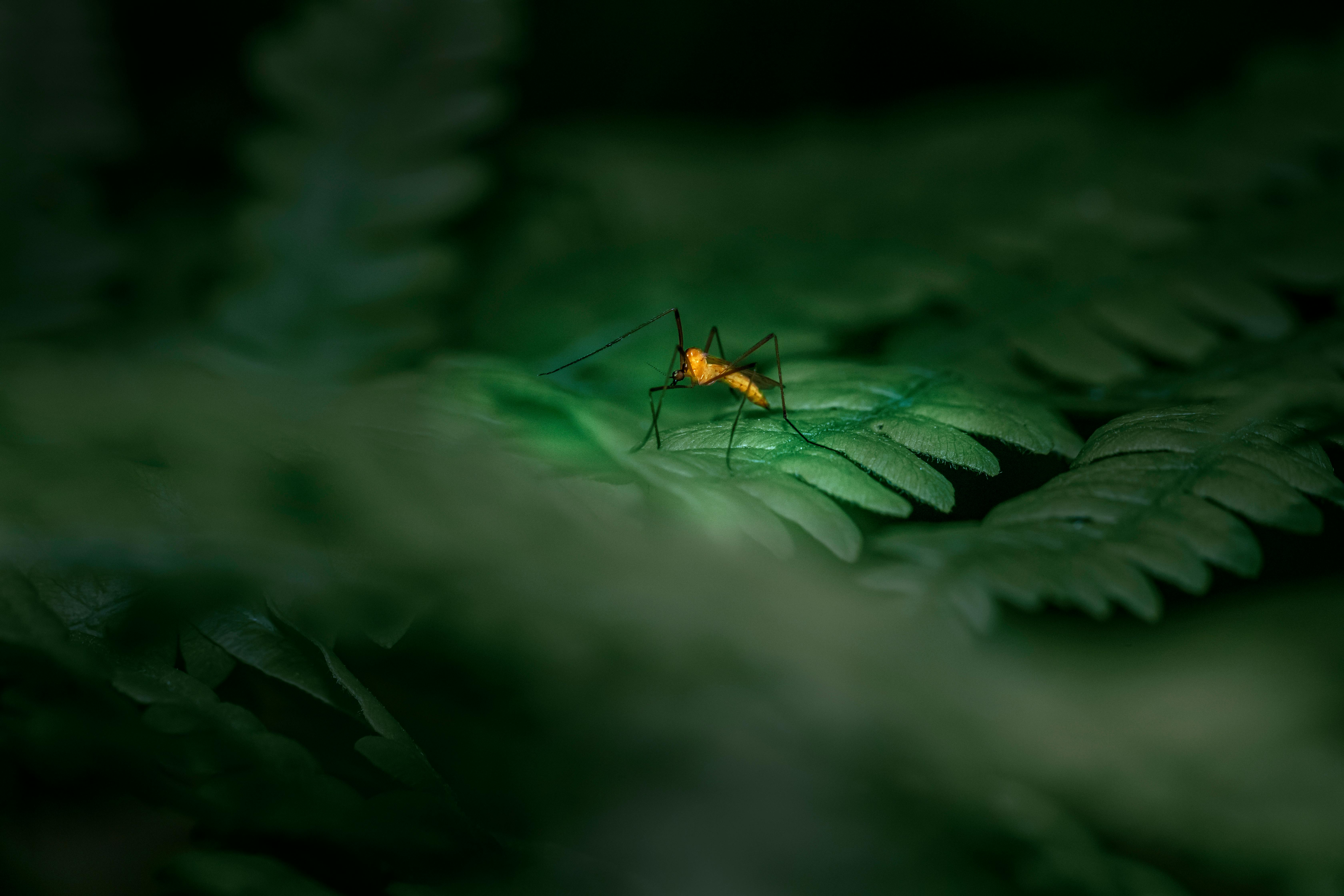
Mosquitoes, annoying little insects known for their annoying buzzing and itchy bites, are a summer scourge for many. In addition to bite irritation, mosquitoes can transmit serious diseases such as West Nile virus and malaria. Fortunately, there are a number of tips and effective methods for disinfecting your home and garden from mosquitoes and reducing the risk of bites and diseases. In this article, we'll explore the best mosquito pest control tips and methods, allowing you to enjoy summer with peace of mind and safety.
Knowing the Enemy: biology and behavior of mosquitoes
Before beginning any pest control program, it's important to understand the enemy you're facing. Mosquitoes are attracted to body heat and the carbon dioxide we emit while we breathe. Females, responsible for the stings, need blood to develop their eggs. Mosquitoes reproduce in standing water, such as ponds, pools of water, and containers of standing water, so their presence can be reduced by eliminating or treating these nesting areas.
Reduce attractiveness to mosquitoes
An effective way to reduce the presence of mosquitoes is to reduce the attractiveness of your home and garden for these insects. This can be done by eliminating stagnant water accumulations, repairing water losses, and keeping the surrounding vegetation well maintained. In addition, mosquito nets can be used on windows and doors, as well as skin and environmental repellents containing DEET or other active ingredients approved by the EPA.
Use of traps and repellents
Mosquito traps and repellents are common methods of mechanical mosquito control. Mosquito traps work by attracting mosquitoes with ultraviolet light or CO2 baits and capturing them inside a container. Repellents, on the other hand, create a barrier that mosquitoes don't want to cross, protecting people and pets from attack.
Chemical Control: Use of insecticides
The use of insecticides is a more aggressive method for mosquito control and may be effective in dramatically reducing their population. Insecticides can be applied as sprays, mist, granules, or injections into the soil, and can be used in various areas, such as gardens, patios, ponds, and wetlands. It is important to follow label instructions carefully and take precautions to protect human and environmental health during application.
Biological Control: Use of natural control agents
Biological mosquito control involves the use of natural agents, such as gambusia fish (also known as mosquito-eating fish) and biological larvicides, to reduce the mosquito population. Gambusia fish feed on mosquito larvae, while biological larvicides, such as Bacillus thuringiensis israelensis (BTI), are bacteria that kill mosquito larvae without harming other organisms.
Mosquito pest control is essential to reduce the risk of mosquito bites and diseases during the summer months. With a combination of knowledge, prevention, and control, you can protect your home and garden from mosquitoes effectively and safely. By using the methods described in this article, such as attractant reduction, mechanical and chemical control, and biological control, it is possible to significantly reduce the mosquito population.
However, for complete and long-lasting protection, it is advisable to also rely on our pest control experts. Our professionals are experts in mosquito control and can offer customized solutions for the specific needs of your home and garden. Trust them to ensure complete and long-lasting protection against mosquitoes and enjoy summer outdoors without the hassle of bites and diseases transmitted by these insects.






.jpeg)
.jpeg)